

Guided courses
Move from first greetings to confident conversation at a pace that feels right for you.
Build everyday confidence in the languages that connect us to home, family, and culture. Listen, practise, and learn through the stories and sounds that make every language come alive.
Afrika Lingo makes it easier to take your first words into real life. Follow guided lessons, hear authentic voices, and return to the stories that carry meaning beyond a translation.
Move from first greetings to confident conversation at a pace that feels right for you.
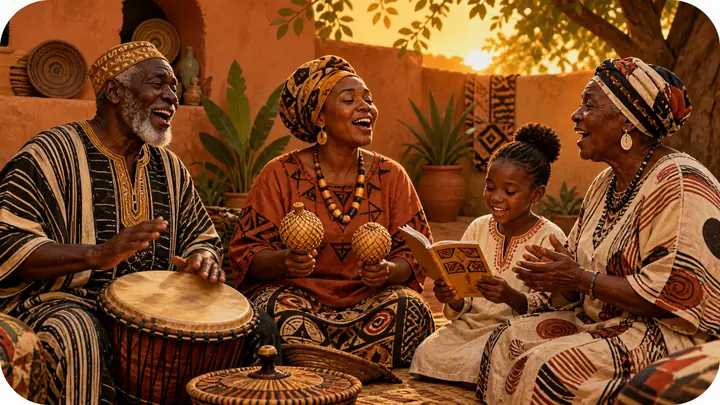
Learn words through the melodies, instruments, and voices that carry them across generations.
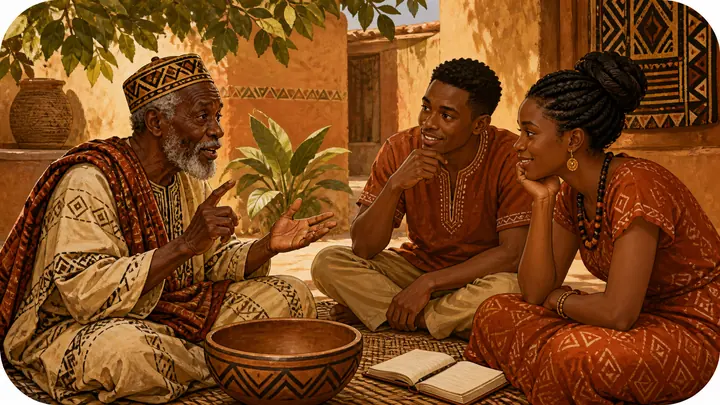
Discover the humour, history, and meaning held in the sayings people pass on.
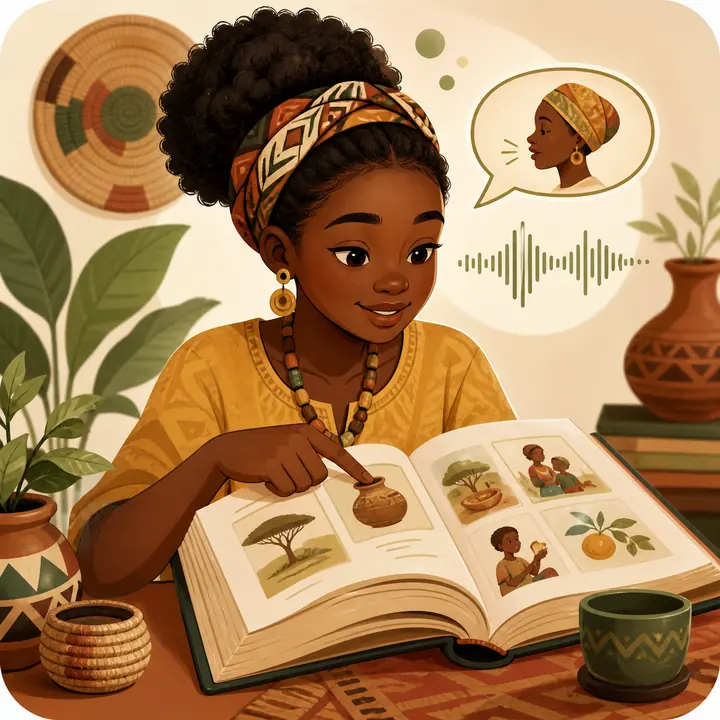
Look up words with meaning, imagery, and audio you can return to whenever you need it.
More than 2,000 languages are spoken across Africa's 54 countries. Afrika Lingo is building one home for them, from Kiswahili and Yorùbá to isiZulu, Amharic, Hausa and Tamazight, with courses created by native-speaker tutors. Each path teaches more than words: it reveals migration, kinship, food, greetings, songs, humour, and ways of seeing the world.
Africa's largest family, from Yorùbá, Igbo and Wolof in the west to the Bantu languages: Kiswahili, Lingála, isiZulu, chiShona and Gĩkũyũ.
From the Sahel to the Horn and the Maghreb: Hausa, Amharic, Tigrinya, Somali, Oromo and Tamazight.
Along the Nile and across the Sahel: Dholuo, Kalenjin, Maasai, Dinka and Kanuri.
Some of the world's oldest languages, famous for their click consonants, spoken in southern Africa.
Afrika Lingo turns every spare moment into a chance to listen, practise, and carry a little more of your language with you.
Pick the language you want to reconnect with and begin with the essentials.
Hear words in context, practise the sounds, and learn their cultural meaning.
Keep returning to what you have learned until it becomes part of everyday life.
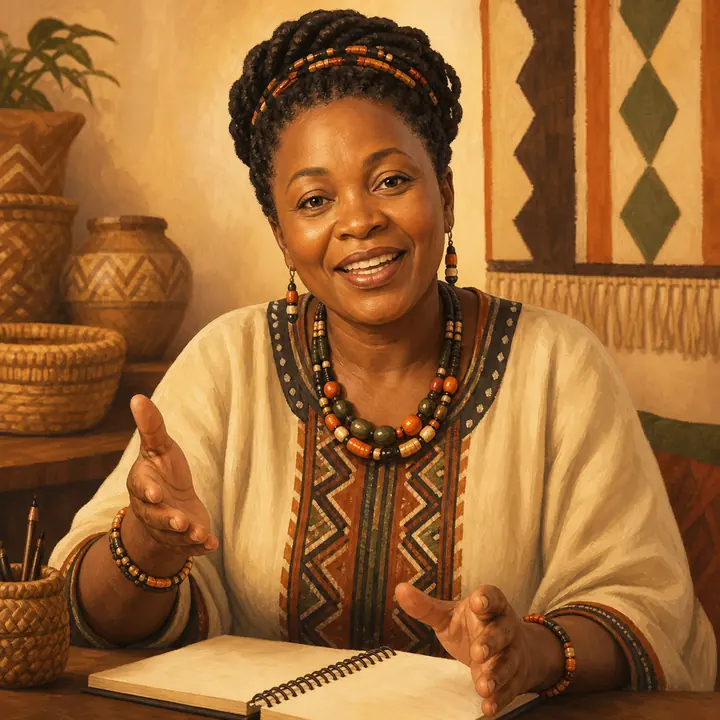
Every course is created and reviewed by native speakers of the language it teaches.
Wanjiru M., Kikuyu language tutor
A new generation is reclaiming the languages of home. Read about the revival, the research, and how to start learning your own.

One indigenous language disappears roughly every two weeks. Here is what is lost when a language goes silent, why it happens, and why Africa's 2,000+ languages deserve a future.
Read article →
Most African children are taught in a language they don't speak at home. A UNESCO think piece explains why that holds learners back, using Mali as an example, and what a fairer approach looks like.
Read article →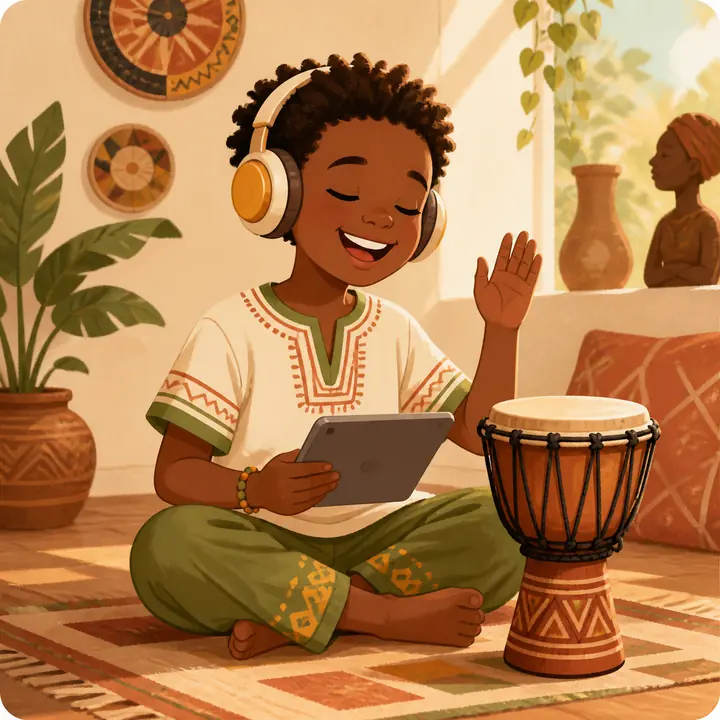
From a Lagos game show where English is banned to diaspora teenagers learning Shona online, a new generation is reclaiming African languages.
Read article →
Preparing your language journey