Africa is home to more than 2,000 languages, about a third of all the languages spoken on Earth. Each one is a way of naming the world: its plants and seasons, its family ties, its jokes, its grief, its sense of what is polite and what is sacred. Yet across the globe, and across this continent, languages are going quiet faster than at any point in recorded history.
Those figures come from a United Nations backgrounder on indigenous languages. It warns that, on conservative estimates, more than half of the world's languages could be extinct by 2100. Some projections go much further, suggesting that up to 95% could be extinct or seriously endangered by the end of the century. Most of the languages under threat are indigenous languages.
A language is a library, not just a dictionary
It is easy to think of a language as a set of words that can be swapped for words in another language. The UN describes indigenous languages differently: as extensive and complex systems of knowledge built up over thousands of years. A language holds knowledge that does not translate neatly, such as the name of a medicinal plant, the right way to greet an elder at dawn, or a proverb that settles an argument in six words.
When a language stops being spoken, that knowledge rarely moves across into English, French or Portuguese. It simply stops being passed on. Language is also tied closely to identity. The UN backgrounder puts it plainly: when indigenous languages are under threat, so too are the peoples who speak them.
Why languages go quiet
Languages do not disappear by accident. The UN points to three main pressures:
- Colonial history. Assimilation policies, discriminatory laws and the loss of land pushed indigenous languages out of schools, courts and public life.
- Globalisation. A small number of dominant languages now control business, media and technology, so learning them can feel like the only way to get ahead.
- The broken chain between generations. Increasingly, languages are no longer passed from parents to children. This is the quietest pressure and the most decisive. A language can survive almost anything except a generation that stops speaking it at home.
In Africa, this pattern is familiar. Many families speak a heritage language with grandparents, a national language at the market and a colonial language at school and work. Each step up the economic ladder can feel like a step away from the mother tongue.
Languages can come back
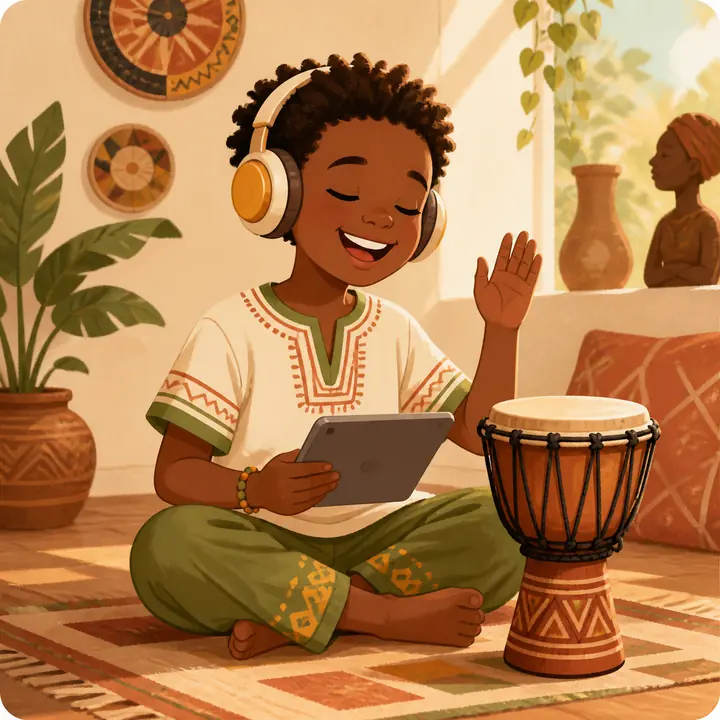
The same UN backgrounder tells a hopeful story. Hawaiian was close to extinction in the 1970s. Then communities set up schools that taught the whole curriculum in Hawaiian, and in 1978 it was re-established as an official language of the State of Hawaii. Elsewhere, communities have spread songs in their languages through online music channels and smartphone apps.
The lesson is that revival works when it is led by the community and the language is actually used: spoken at home, sung, taught and heard every day. Recording a language is valuable, but recording alone does not keep it alive.
A right, not just a hobby
International law recognises what is at stake. Article 13 of the UN Declaration on the Rights of Indigenous Peoples affirms the right to revitalise, use, develop and pass on languages, oral traditions, writing systems and literatures to future generations. Articles 14 and 16 extend this to education and media in one's own language. The UN has since declared 2022 to 2032 the International Decade of Indigenous Languages.
What you can do
Saving a language is not only a job for governments and universities. It happens in small, everyday choices:
- Greet your parents and grandparents in your language, even if you only know a few words.
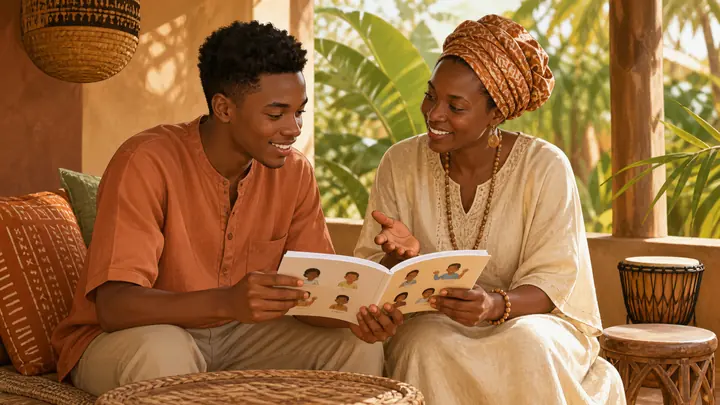
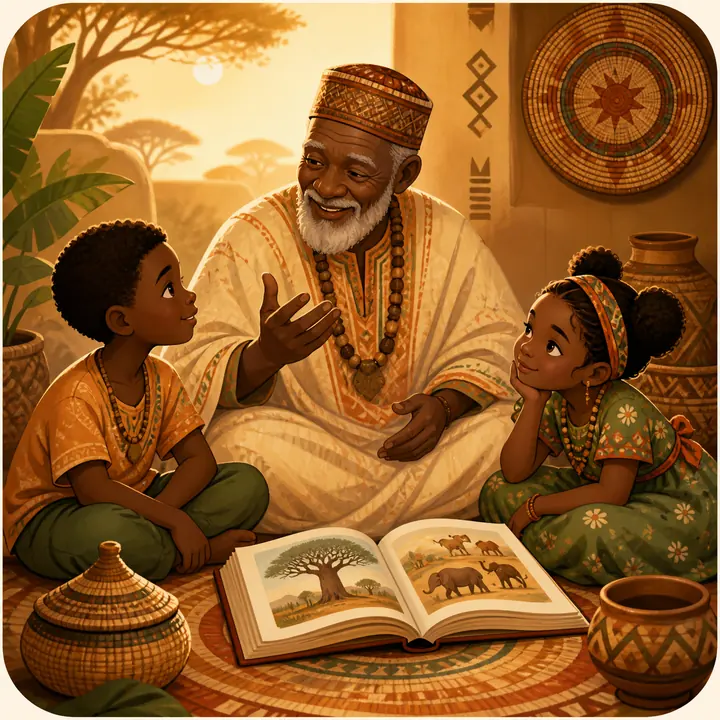
- Ask an elder to teach you a proverb, a song or the names of family relationships.
- Speak it with your children, even imperfectly. A child who hears a language is far more likely to keep it.
- Learn a little every day. Ten minutes of practice adds up.
Afrika Lingo exists for exactly this: to make it easy to learn and practise African languages, with courses created by native speakers, so the chain between generations does not break.